
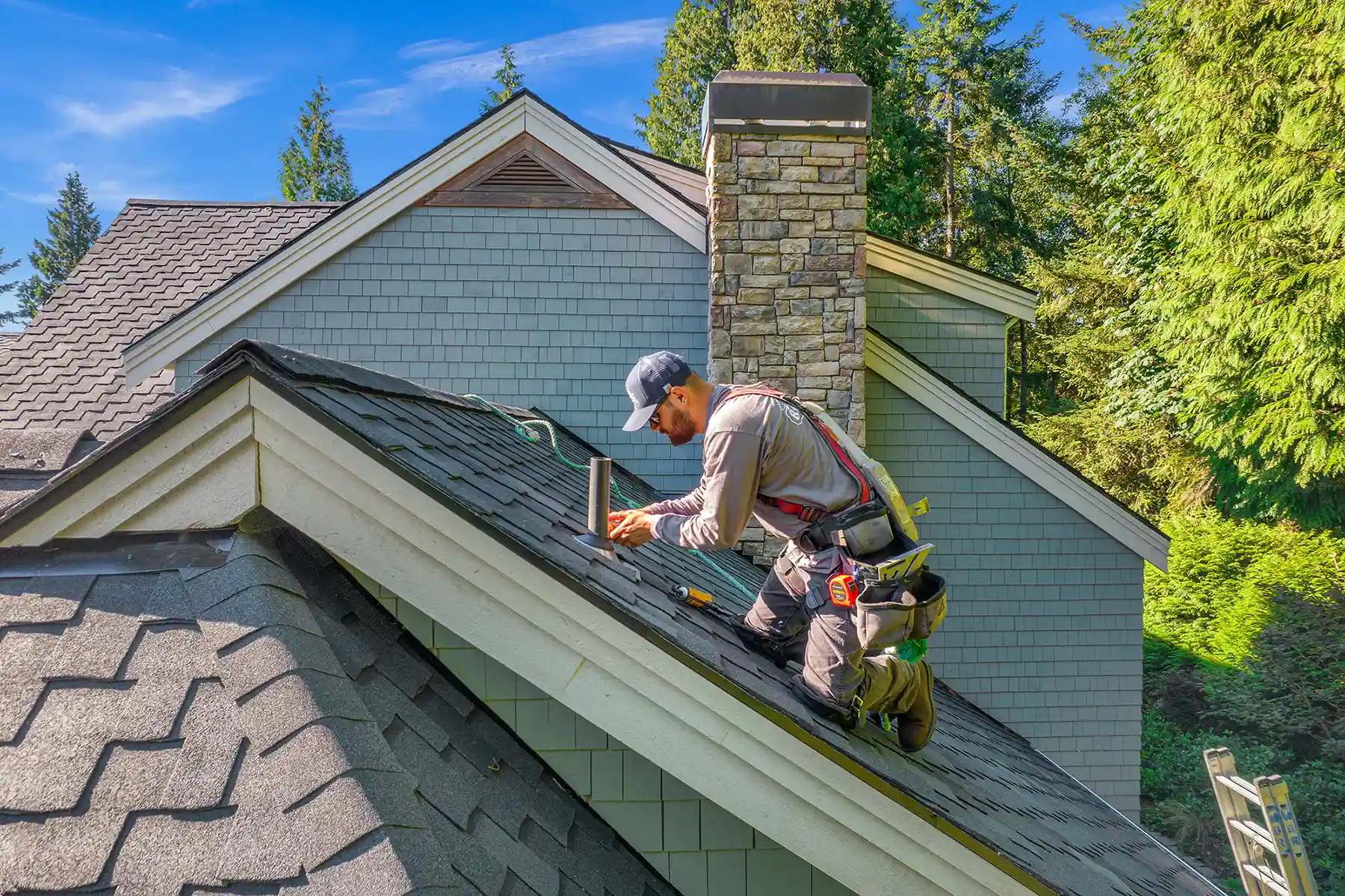
Your roof is one of the largest investments you’ll ever make in your home, yet most homeowners know surprisingly little about what’s sitting above their heads. If you’re weighing asphalt shingles pros cons before a roof replacement, you’re in the right place. In this guide, we break down every shingle type, what it actually costs in 2026, how long each lasts, and which brand deserves your money. By the time you finish reading, you’ll know exactly what to ask your contractor and why.
1. What Are Asphalt Shingles?
Asphalt shingles are the most popular roofing material in North America, covering roughly 80% of residential roofs. They’re made from a fiberglass or organic mat coated with asphalt and embedded with mineral granules that protect against UV exposure and water damage.
The Asphalt Roofing Manufacturers Association (ARMA) sets quality standards that govern how these products are manufactured and tested. Most asphalt shingles also carry ENERGY STAR certifications and are rated under the UL 2218 standard for impact resistance — important if you live in hail-prone areas.
💡 Quick Fact
According to ARMA, asphalt shingles account for more than 11 billion square feet of roofing installed in the U.S. each year. Their popularity stems from a balance of affordability, ease of installation, and reliable performance across diverse climates.
2. Shingle Types: 3-Tab vs Architectural vs Luxury
Not all asphalt shingles are created equal. The market breaks down into three main categories, each suited to a different budget and performance need.
3-Tab Shingles (Entry-Level)
Three-tab shingles are the classic flat, single-layer shingle that dominated American roofing for decades. Cut to look like three separate pieces, they sit flat against the deck and offer a clean, uniform appearance.
- Cost: $70–$110 per roofing square (100 sq ft)
- Lifespan: 15–20 years under normal conditions
- Wind resistance: 60–70 mph — not ideal for storm-prone regions
- Best for: budget-conscious replacements or low-slope roofs
They’re lighter and less expensive to install, but their single-layer construction makes them more vulnerable to wind uplift. Many contractors now recommend against 3-tab for anything beyond entry-level builds because architectural shingles cost only slightly more and perform considerably better.
Architectural (Dimensional) Shingles — The Industry Standard
Architectural shingles, also called dimensional or laminate shingles, are the most widely installed option in 2026. Their multi-layer construction mimics the look of wood shake or slate while delivering superior durability.
- Cost: $100–$180 per roofing square
- Lifespan: 25–30 years with proper attic ventilation
- Wind resistance: 110–130 mph (Class 4 impact rating available)
- Warranty: 30–50 years from major manufacturers
The dimensional texture adds real curb appeal, which matters if you’re selling or refinancing. Most National Roofing Contractors Association (NRCA) members recommend architectural shingles as the baseline for residential replacements.
✅ Pro Tip
If you’re getting quotes and a contractor defaults to 3-tab shingles without explanation, ask why. For most homes, the performance gap between 3-tab and architectural simply doesn’t justify the cost savings over a 25-year horizon.
Luxury (Designer) Shingles — Premium Performance
Luxury shingles are the top tier of the asphalt category. Brands like GAF’s Camelot II and Owens Corning’s Duration Premium replicate the look of natural slate or cedar shake with exceptional dimensional depth.
- Cost: $200–$400+ per roofing square
- Lifespan: 30–50 years with proper maintenance
- Weight: heavier, may require structural assessment
- Best for: high-end homes where aesthetics and longevity justify the premium
3-Tab vs Architectural vs Luxury: Side-by-Side Comparison
| Feature | 3-Tab | Architectural | Luxury |
| Cost/Square | $70–$110 | $100–$180 | $200–$400+ |
| Lifespan | 15–20 years | 25–30 years | 30–50 years |
| Wind Rating | 60–70 mph | 110–130 mph | 110–150 mph |
| Thickness | Single layer | Multi-layer | Multi-layer+ |
| Warranty | 20–25 years | 30–50 years | Lifetime |
| Best For | Budget builds | Most homes | Premium homes |
3. Asphalt Roof Cost: What Homeowners Pay in 2026
Asphalt roof cost depends on shingle grade, roof complexity, local labor rates, and material prices. Here’s what most homeowners spend for a full replacement in 2026.
Average Total Cost Ranges
- 3-tab shingles: $5,500–$9,000 for a 1,500–2,000 sq ft roof
- Architectural shingles: $8,000–$14,000 for the same size
- Luxury shingles: $14,000–$28,000+ depending on design and brand
These figures include materials, labor, underlayment, flashing, drip edge, and basic disposal. Expect to pay 10–20% more in high cost-of-living regions like California, New York, or the Pacific Northwest. Always get at least three independent quotes before signing a contract.
What Drives the Final Number?
- Roof pitch and complexity (hips, valleys, dormers add labor cost)
- Old shingle tear-off vs. overlay (tear-off adds $1–$2 per sq ft)
- Decking repairs found during tear-off
- Local permit fees (typically $150–$500)
- Seasonal demand — spring and fall are peak season in most markets
⚠️ Cost Disclaimer
All price ranges reflect 2026 U.S. national averages. Labor and material costs vary significantly by region. These figures are for budgeting purposes only — always consult licensed local contractors for accurate quotes.
4. The Asphalt Shingle Installation Process
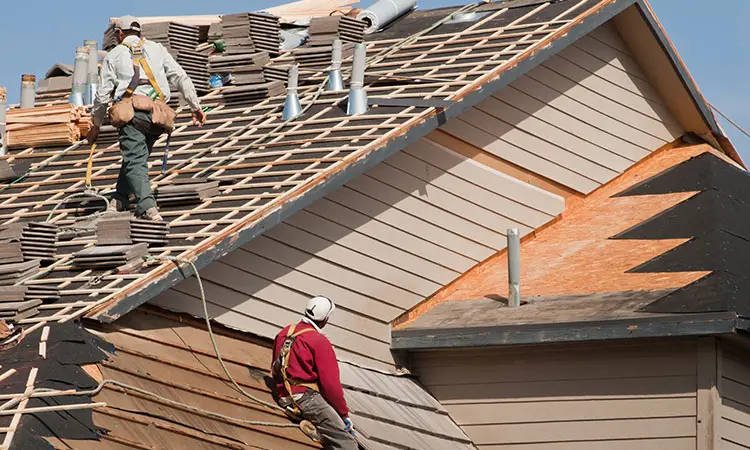
Understanding the installation process helps you evaluate contractor bids and spot corners being cut. A proper asphalt shingle installation follows these steps:
Step 1: Inspection and Permit
A licensed contractor inspects the existing roof structure, checks for rot or damage, and pulls the required building permit under your local jurisdiction’s International Building Code (IBC) requirements. Skipping the permit saves a few hundred dollars but can void your homeowner’s insurance.
Step 2: Tear-Off and Decking Assessment
Old shingles are stripped to the bare deck (OSB or plywood). The contractor checks for soft spots, replaces damaged decking, and ensures the surface is clean and structurally sound.
Step 3: Underlayment and Ice/Water Shield
A synthetic felt or rubberized underlayment is installed across the entire deck. In cold climates, ice-and-water shield goes along eaves and in valleys to prevent ice dam damage — required by most building codes in northern states.
Step 4: Drip Edge and Flashing
Metal drip edge is nailed along eaves and rakes. Step flashing, valley flashing, and boot flashing around pipe penetrations are installed before shingles begin.
Step 5: Shingle Installation
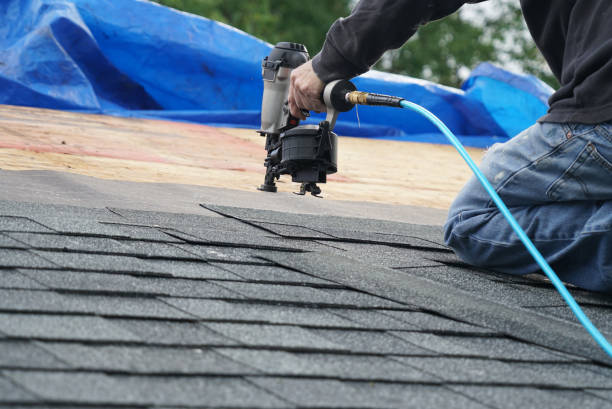
Starting at the eave and working up the slope, shingles are nailed according to the manufacturer’s specified nail pattern. Incorrect nailing (too high or too few nails) voids most warranties and reduces wind uplift resistance.
Step 6: Ridge Cap and Ventilation
Ridge cap shingles finish the peak. Proper attic ventilation — typically through ridge vents and soffit vents — is critical for shingle longevity. Poor ventilation can reduce a 30-year shingle’s lifespan to 15 years.
🔑 Key Insight
The NRCA recommends a minimum of 1 sq ft of net free ventilation for every 150 sq ft of attic floor space. If your attic runs hot in summer or shows frost in winter, your ventilation system needs attention before the next shingle install.
5. Best Asphalt Shingle Brands in 2026
Three manufacturers dominate the residential asphalt shingle market, each with a national contractor network and strong warranty programs.
GAF — America’s Largest Roofing Manufacturer
GAF’s Timberline HDZ is the best-selling architectural shingle in the U.S. Their LayerLock technology mechanically fuses shingle layers to improve wind resistance. GAF’s Master Elite contractor certification is the highest tier and is required to offer their System Plus Limited Warranty, which extends shingle coverage to 50 years.
Owens Corning — Duration Series
Owens Corning’s Duration shingles feature SureNail technology — a woven fabric strip in the nailing zone that provides exceptional holding power. Duration shingles are rated for 130 mph wind resistance and carry a limited lifetime warranty. Their TruDefinition palette offers one of the widest color selections in the market.
CertainTeed — Landmark and Grand Manor
CertainTeed’s Landmark architectural shingle competes directly with GAF and Owens Corning at the mid-range price point. Their Grand Manor luxury line is one of the most realistic slate-look shingles available. CertainTeed’s SELECT ShingleMaster program (highest tier) includes a 10-year SureStart Protection warranty on labor and materials.
If you’re a roofing contractor looking to showcase these premium products on a professional website, the team at RoofingSEOMasters offers specialized roofing web design services that turn material expertise into qualified leads.
6. Asphalt Shingles Pros and Cons
Pros of Asphalt Shingles
- Affordability: Lowest installed cost among all roofing types
- Wide availability: Every roofing contractor works with them
- Color and style variety: Hundreds of profiles to match any home
- Ease of repair: Individual damaged shingles can be replaced without full tear-off
- Fire rating: Most carry a Class A fire resistance rating
- ENERGY STAR options: Reflective granules reduce cooling loads in warm climates
- Cool Roof Rating Council (CRRC) certified options available
Cons of Asphalt Shingles
- Shorter lifespan than metal, tile, or slate (max 30–50 years vs 50–100+)
- Environmental impact: Not easily recyclable, though programs exist
- Thermal shock: Expansion and contraction in extreme climates accelerates granule loss
- Algae and moss growth in humid climates without copper-infused granules
- Limited performance in high-wind zones without Class 4 rated products
❌ Watch Out
Algae streaking is one of the most common complaints in the Southeast and Pacific Northwest. Look for shingles with copper-infused granules (GAF’s StainGuard Plus or Owens Corning’s StreakGuard) if you’re in a high-humidity region. The upcharge is minor; the aesthetic benefit is significant.
Roofing contractors who want to turn this kind of product knowledge into organic traffic can explore how content marketing for roofers drives consistent, qualified leads month after month without paid ads.
7. Energy Efficiency and Building Code Considerations
Energy efficiency is a growing factor in shingle selection. In California, for example, Title 24 building codes require Cool Roof Rating Council (CRRC) rated products on low-slope re-roofs. Cool roof shingles reflect more sunlight and absorb less heat, reducing attic temperatures by up to 30°F and lowering cooling costs.
For homeowners in hail-prone states like Texas, Colorado, or Kansas, Class 4 impact-rated shingles (tested under UL 2218) can reduce homeowner’s insurance premiums by 15–30% with participating insurers. Ask your insurance agent specifically about hail-resistant roof discounts before purchasing.
The International Building Code (IBC) also governs minimum slope requirements for asphalt shingles. Most manufacturers require a minimum 2:12 pitch for standard installation and 4:12 for full warranty coverage. Below these thresholds, specialized low-slope products or a different roofing system entirely may be needed.
Roofing contractors operating in specific metro areas can capitalize on energy-efficiency trends through targeted local SEO for roofers, ensuring their business appears prominently when homeowners search for impact-rated or cool-roof specialists nearby.
8. Warranty Guide: What’s Actually Covered
Warranty terms vary widely and are often misunderstood. Here’s what to look for:
Manufacturer Warranty vs. Workmanship Warranty
The manufacturer warranty covers defective materials. Workmanship warranties cover installation errors and come from your contractor, typically ranging from 2–10 years for standard roofers and up to 25 years from GAF Master Elite or CertainTeed SELECT ShingleMaster contractors.
What Voids a Shingle Warranty?
- Improper nailing (too high, too low, or insufficient nails)
- Installation below the manufacturer’s minimum slope requirement
- Inadequate ventilation (below NRCA standards)
- Failure to use manufacturer-specified accessories (underlayment, starter strips)
- DIY installation on some premium product lines
📋 Pro Tip
Always request a copy of the manufacturer’s warranty registration after installation. Many homeowners don’t realize their contractor never submitted the registration, leaving them with a pro-rated warranty instead of the full coverage they paid for.
If you’re a roofing contractor, protecting your reputation online is just as important as warranty documentation. Reputation management for roofing companies helps ensure your five-star track record is visible to every prospective customer searching for a reliable roofer.
Frequently Asked Questions
What are the main asphalt shingles pros and cons?
The biggest pros are affordability, easy installation, wide availability, and style variety. The main cons are a shorter lifespan compared to metal or tile, susceptibility to algae growth in humid climates, and moderate wind resistance unless you choose Class 4-rated products. For most homeowners, architectural shingles offer the best balance of cost and performance.
How long do asphalt shingles last?
3-tab shingles typically last 15–20 years. Architectural shingles last 25–30 years with proper attic ventilation. Luxury shingles can reach 30–50 years. Lifespan depends heavily on climate, ventilation, installation quality, and storm activity in your region.
What is the difference between 3-tab shingles and architectural shingles?
3-tab shingles are single-layer, flat, and less expensive at $70–$110 per square. Architectural shingles are multi-layer, thicker, and more dimensional, costing $100–$180 per square. Architectural shingles outlast 3-tab by 8–12 years on average and carry better wind resistance ratings. Most roofing professionals recommend architectural as the baseline for any full replacement.
What does asphalt roof replacement cost in 2026?
A typical 1,500–2,000 sq ft roof costs $8,000–$14,000 for architectural shingles installed in 2026. Budget $5,500–$9,000 for 3-tab and $14,000–$28,000 for luxury shingles. Factors like roof pitch, complexity, regional labor rates, and tear-off requirements all affect the final cost. Always collect three quotes minimum.
Which asphalt shingle brand is best — GAF, Owens Corning, or CertainTeed?
All three are excellent and widely available. GAF’s Timberline HDZ is the best-selling shingle in North America for good reason. Owens Corning’s Duration series excels in wind resistance thanks to SureNail technology. CertainTeed’s Landmark offers competitive pricing with strong warranty support. The best choice often depends on which brand’s certified contractors are available in your area.
Are asphalt shingles energy-efficient?
Standard asphalt shingles absorb heat, but ENERGY STAR and CRRC-rated cool roof shingles reflect significantly more sunlight, reducing attic temperatures by 20–30°F. In hot southern climates, switching to a cool-roof shingle can cut summer cooling costs noticeably. Look for shingles with light-colored or special reflective granules.
What is a Class 4 impact-rated shingle?
A Class 4 rating under the UL 2218 test standard means the shingle withstood 2-inch steel ball strikes without cracking. In practice, these shingles are far more resistant to hail damage. Many insurance companies offer 15–30% premium discounts for Class 4 roofs. IKO and GAF both offer Class 4 architectural options at a modest premium over standard shingles.
Roofing contractors who install Class 4 shingles have a compelling selling point — one that can anchor highly effective Google Ads campaigns for roofers targeting homeowners actively searching for hail-resistant roofing after a storm.
Conclusion: Making the Right Asphalt Shingle Decision
Asphalt shingles remain the dominant choice for residential roofing in 2026 for good reason: they’re cost-effective, widely available, and capable of performing well across virtually every U.S. climate when the right type is selected and properly installed.
Here are the key takeaways from this guide:
- 3-tab shingles are affordable but offer shorter lifespan and lower wind resistance — best for tight budgets only
- Architectural shingles are the smart default for most homeowners, offering a strong balance of cost, looks, and durability
- Luxury shingles make sense for premium homes where aesthetics and a 30–50-year lifespan justify the investment
- Always compare installed cost, not just material cost — labor, tear-off, and accessories add significantly
- Verify contractor certification, warranty registration, and local permit compliance before signing anything
Whether you’re replacing a storm-damaged roof or planning a long-overdue upgrade, the best shingle is the one matched to your budget, climate, and contractor’s expertise. Get multiple quotes, ask the hard questions, and don’t let price alone drive the decision. For roofing contractors looking to grow their business online, visit RoofingSEOMasters.com — a dedicated roofing SEO agency helping contractors win more jobs through search visibility, content, and reputation management.


Leave a Reply