
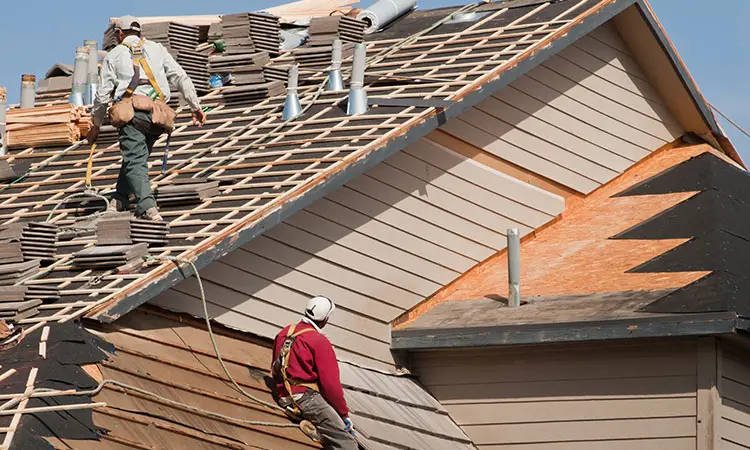
The roof is one of the most consequential — and most misunderstood — elements in any home transaction. Buyers routinely underestimate what roof condition means for their budget. Sellers often don’t know whether to fix, disclose, or credit. And lenders have specific requirements that can stop a deal cold if the roof is in the wrong condition.
This guide covers the roof buying selling home transaction from both sides of the table. If you’re buying, you’ll learn what to inspect, when to walk away, and how to negotiate roof issues into a fair price. If you’re selling, you’ll learn how your roof affects your asking price, whether to fix or credit, and what you’re legally required to disclose.
Understanding the roof’s role in real estate transactions saves buyers from expensive surprises and helps sellers protect their equity.
How Roof Age and Condition Affect Home Value
Real estate appraisers factor roof condition into their assessments, and buyers factor it into every offer. The impact ranges from neutral on a new roof to a deal-killer on a failed one. Here’s how roof age and condition translate to real negotiating dollars.
| Roof Age/Condition | Price Impact | Negotiation Expectation | What It Means Practically |
| New (0–3 years) | Strong positive | Full asking price or premium | Buyers pay a premium for certainty; sellers can justify top-of-range pricing |
| Mid-life (4–10 years) | Neutral to positive | Minimal negotiation impact | No concern for most buyers; sellers shouldn’t discount |
| Aging (11–18 years) | Slight negative | $2,000–$5,000 negotiation | Buyers factor in replacement timeline; price credit often reasonable |
| Near end-of-life (19–24 yr) | Moderate negative | $5,000–$12,000 negotiation | Buyers or lenders may require replacement or escrow holdback |
| Failed / leaking | Strong negative | $10,000–$20,000+ negotiation | Deal-breaker for many buyers; lenders may refuse to finance; fix or credit required |
| Unknown age | Negative uncertainty | Buyer requests documentation | Sellers should pull permits or get inspection report to establish timeline |
The $10,000–$15,000 value that a new roof adds to median home values (consistently cited in Cost vs. Value reports) doesn’t mean you’ll recoup every dollar of replacement cost. What it means is that a new roof removes a major objection, speeds up time to close, and commands the upper range of comparable pricing in your market.
Material matters too: Metal roofing, slate, and tile carry more perceived value than asphalt shingles at resale, particularly in upscale markets. A GAF Master Elite or Owens Corning Platinum certified installation with a transferable warranty is a genuine marketing asset worth mentioning in the listing.
The Buyer’s Perspective: Inspection, Red Flags, and Smart Negotiation
The general home inspection gives you a starting point, but most home inspectors aren’t roofing specialists. They’ll note obvious visible problems, but they won’t walk the roof surface on steep slopes, they won’t probe flashing seals, and they won’t assess remaining lifespan with any precision.
For any home where the roof is older than 10 years, or where the general inspector flags concerns, hire a licensed roofing contractor for an independent inspection. A dedicated roof inspection costs $150–$350 and gives you a professional assessment of condition, estimated remaining life, and specific repair costs. It’s money that pays back many times over in negotiating leverage or avoided surprises.
| Buyer’s Roof Inspection Checklist: What to Look ForFrom the ground: Look for missing, curling, or discolored shingles; sagging ridgeline or slopes; moss or dark staining; gutters pulling away from the fasciaIn the attic: Check for daylight through deck boards, water staining on rafters, soft spots when pressing on deck boards, insulation damage from past leaksFlashing: Ask the inspector specifically about chimney flashing, pipe boot seals, and valley flashing — these are the top leak sourcesGutters: Granule accumulation signals aging asphalt shingles; clogged gutters suggest maintenance neglect that may have caused fascia damageAge documentation: Request installation records, permits, or contractor invoices — without documentation, assume the worst-case age for planning purposesRecent repairs: Ask what was repaired and when; multiple repairs in the same area may indicate a systemic problem rather than isolated damageAttic ventilation: Confirm ridge vent and soffit vents are present and functional — poor ventilation shortens roof lifespan by 5–10 years regardless of material qualityWarranty transfer: Ask whether the manufacturer warranty (GAF, Owens Corning, CertainTeed, IKO) and workmanship warranty are transferable to a new owner |
How to Use Roof Findings in Your Offer
When you find roof issues, you have three options: ask the seller to repair before closing, negotiate a price reduction, or request a closing credit. Each approach has different implications depending on the loan type and market conditions.
A price reduction lowers the purchase price permanently — good for your long-term equity and mortgage amount. A closing credit gives you cash at closing to pay for repairs, but credit amounts are capped by lender rules and don’t reduce your loan balance. A pre-closing repair transfers the execution risk to the seller but gives you no say in contractor choice or material selection.
Negotiation tip: Always base your request on a written contractor estimate, not a ballpark. A $12,000 roof replacement estimate from a licensed, NRCA-affiliated roofing contractor carries far more weight in negotiation than ‘the inspector said the roof is old.’
When the Roof Issue Is Discovered After Closing
If a seller knew about a material roof defect and didn’t disclose it, you may have legal recourse depending on your state. Material defect non-disclosure claims are among the most common post-closing real estate disputes. Document everything: the inspection report, any seller’s disclosure statement, and the timeline of when damage would have been visible.
This is why both the inspection contingency and the seller disclosure form are critical in any home purchase involving an older roof. Don’t waive the inspection contingency on a home with a roof over 15 years old, regardless of how competitive the market is.
Roof Deal Breakers: When to Walk Away or Negotiate Hard
| Roof Deal Breakers: When to Walk Away or Renegotiate HardActive leaks with no disclosure: Water intrusion that the seller knew about and didn’t disclose is a material defect — grounds for renegotiation or contract withdrawal in most statesStructural deck rot or sagging: Soft, rotten decking or a visibly sagging ridgeline indicates damage that may extend beyond the roof to the structureTwo existing layers of roofing: The International Building Code (IBC) allows a maximum of two layers of asphalt shingles. Two existing layers means full tear-off is required at replacement — add $1,500–$3,500 to the estimateRoof over 20 years old with no documentation: Without records, you can’t know the actual condition or remaining life. Require an independent roofing inspection report, not just a general home inspectionFlashing that’s been caulked over repeatedly: Band-aid repairs on chimney or skylight flashing indicate chronic leak history. The underlying flashing likely needs full replacement ($350–$1,000+)FHA or VA financing on a failed roof: Both FHA and VA loans require the roof to be in functional condition. A failed roof isn’t just a negotiating issue — it’s a financing issue that can kill the dealStorm damage with pending insurance claim: Ensure any open insurance claim transfers to you properly, or negotiate the claim settlement as part of the transaction |
Not every roof problem is a deal breaker. A 17-year-old asphalt roof that’s been maintained, has no active leaks, and still has 5 or more years of life is a negotiating point — not a reason to walk. The key question is: can you accurately estimate the remaining life and repair cost, and does the price reflect that reality?
What Lenders Actually Require by Loan Type
Roof condition doesn’t just affect your negotiations — it affects whether your financing closes. Different loan types have different requirements, and this is something both buyers and sellers need to understand before going under contract.
| What Lenders Actually Require: Loan-Type BreakdownConventional loans (Fannie Mae / Freddie Mac): Require the roof to have at least 2 years of remaining useful life. Appraiser notes roof condition — if they flag it, lender may require repair or credit before closing.FHA loans: Require the roof to be in good condition with no active leaks and adequate remaining life. FHA appraisers apply stricter standards. A roof near end-of-life or with active moisture issues will trigger a repair condition that must be resolved before the loan can close.VA loans: Similar to FHA. The VA appraiser must report roof condition and will flag any roof that poses a health or safety risk. Active leaks, structural damage, or severe deterioration will require remediation before closing.Jumbo and portfolio loans: Lender standards vary; generally align with conventional guidelines but lenders have discretion to impose stricter requirements on high-value properties.Cash purchases: No lender roof requirements. Buyers assume all risk — which is exactly why smart cash buyers negotiate harder on roof condition and get independent inspections.Key takeaway for sellers: FHA and VA buyers cannot close on a home with a failing roof. If your buyer’s financing is FHA or VA, roof issues aren’t negotiating leverage — they’re genuine blockers that require resolution. |
The Seller’s Perspective: Preparing Your Roof for Sale
The single most valuable thing you can do as a seller is know your roof’s condition before buyers do. Surprises discovered during a buyer’s inspection become leverage. Problems you’ve already assessed and addressed become talking points.
| Seller’s Pre-Listing Roof ChecklistSchedule a professional roof inspection ($150–$350) before listing — know what buyers will find before they find itPull permit history: Check your municipal permit records to establish documented installation or repair datesGather all roofing documentation: original installation records, manufacturer warranty, workmanship warranty, prior repair receiptsFix the obvious visual items: missing shingles, clogged gutters, loose flashings, moss or algae (these are cheap to address and disproportionately affect buyer perception)Get a contractor estimate for any known issues — having a written estimate gives you control over the credit/repair negotiationConfirm insurance status: Ensure your homeowners policy is current and no active roof claims are open that will complicate title transferCheck transferability of warranties: A transferable GAF Golden Pledge or Owens Corning Platinum warranty is a genuine selling point worth advertising in the listingDisclose everything you know in writing — non-disclosure of material defects is a legal liability that follows you after closing |
One often-overlooked seller advantage: warranty documentation. If your roof has a transferable GAF Golden Pledge warranty, a CertainTeed SureStart PLUS warranty, or an Owens Corning Platinum Protection warranty, that transferable coverage has real monetary value to a buyer. A remaining 15-year transferable warranty on a 10-year-old roof means the buyer inherits 15 years of material and workmanship coverage — that’s legitimately worth $1,000–$3,000 in negotiating position.
Repair vs. Credit: The Decision Framework for Sellers
When the inspection comes back with roof issues, you’ll face the fix-or-credit question. There’s no universal right answer — it depends on the severity of the issue, your buyer’s financing, the market, and your timeline.
| Factor | Fix Before Listing | Offer Credit Instead |
| Buyer financing (FHA/VA/conventional) | FHA and VA loans require a roof in functional condition — fix is often required | Credits work with conventional loans; FHA/VA may still require repair |
| Buyer’s priority | Buyers who want move-in ready; removes negotiation friction | Buyers who want to choose contractor and materials themselves |
| Market conditions | Seller’s market: fix = less leverage for buyers | Buyer’s market: credit gives buyers flexibility they’ll demand anyway |
| Timeline | Adds 1–3 weeks to listing timeline for good work | Faster to market; buyer handles it post-close |
| Cost control | Seller controls scope and contractor selection | Credit amount may exceed actual repair cost; sellers often overpay |
| Risk | Known outcome; done before sale | Buyer may discover additional issues post-close; disputes possible |
| Financing impact | Clean for all loan types | Credit counts against closing cost limits in some loan structures |
The practical rule of thumb: Fix issues that will prevent the loan from closing (FHA/VA requirements, active leaks, structural damage). Credit issues that are legitimate but not financing blockers and where the buyer reasonably wants control over contractor and material selection.
One common seller mistake is agreeing to a credit without getting your own contractor estimate first. Buyers often request credits based on worst-case scenarios or inflated estimates. Your own written quote from a licensed roofing contractor — three quotes are even better — gives you a factual basis to counter. A $6,000 credit demand becomes much easier to negotiate to $4,000 when you have a $4,200 contractor estimate in hand.
Disclosure Requirements: What Sellers Are Required to Reveal
Every U.S. state has seller disclosure requirements, though the specifics vary. In most states, sellers must disclose known material defects — issues that would affect a buyer’s decision to purchase or the price they’d pay. Roof leaks, known water damage, prior storm damage, failed repairs, and any condition you’re aware of that affects the roof’s integrity all typically qualify as material defects requiring disclosure.
What ‘Known’ Actually Means
You can only disclose what you actually know. But courts and real estate commissions have consistently held that sellers have an obligation to disclose what they reasonably should know — including problems that would have been apparent with normal maintenance attention. ‘I didn’t know the flashing was failing’ is a harder defense if you’ve had recurring ceiling stains for three years.
Document your roof’s history honestly. If you’ve had repairs, note the date, contractor, and scope. If you’ve had leaks that were addressed, disclose both the leak and the repair. Transparency protects you legally and tends to preserve buyer confidence better than discoveries mid-transaction.
Disclosure vs. Inspection Contingency
Disclosure is what you voluntarily reveal. The inspection contingency is the buyer’s right to discover. Smart transactions use both. Sellers who disclose known issues upfront rarely lose buyers over those issues — buyers who discover undisclosed problems often withdraw, and sellers face potential legal exposure on top of a failed deal.
How a New Roof Affects Your Listing Price and Sale Timeline
Replacing a roof before listing isn’t always the right financial decision, but understanding when it is can add meaningful equity to the transaction.
When Replacing Before Listing Makes Financial Sense
A new roof makes financial sense pre-listing when: the existing roof has less than 5 years of remaining life and will trigger repair conditions from lenders or aggressive negotiation from every buyer; comparable homes in your market have newer roofs and you’re competing at the same price point; or when the replacement cost is less than the likely cumulative discount from multiple buyers’ negotiations.
In competitive seller’s markets, a new roof can be the differentiator that attracts full-price offers and reduces days on market. In slower buyer’s markets, the return is less certain because buyers may still negotiate down regardless.
New Roof ROI at Resale: What the Data Shows
Cost vs. value studies consistently show roof replacement returns 55–70% of project cost in added resale value for asphalt shingles. Metal roofing returns somewhat less on average nationally, but significantly more in markets where metal is the norm or where buyers specifically value longevity. The return is not dollar-for-dollar — but the ROI calculation misses two important factors: days on market and deal certainty.
A home with a new roof typically closes faster and with fewer contingency-related complications than one with a roof requiring negotiation. For sellers who value a clean, fast transaction over maximum gross proceeds, a pre-listing roof replacement often delivers better net outcomes than the headline ROI figure suggests.
Marketing a New or Warranted Roof
If you’ve installed a new roof, put the details in the listing: manufacturer (GAF, Owens Corning, CertainTeed), product line, installation year, and warranty tier and transferability. Asphalt shingles like GAF’s Timberline HDZ or Owens Corning’s Duration series carry brand recognition with informed buyers. A roofing square count and a Class 4 impact rating, where applicable, are additional selling points worth noting for buyers in hail-prone areas.
FAQ: Roof Questions in Real Estate Transactions
How much should I negotiate off for a bad roof when buying a home?
Base your negotiation on a written estimate from a licensed roofing contractor, not a percentage formula. For a roof needing full replacement, request a credit or price reduction equal to 90–100% of the estimated replacement cost — the buyer is taking on the project risk and execution. For repairs, request the repair estimate plus 10–15% for contingency. In any case, get your own independent estimate rather than relying on numbers the seller provides.
Does a home inspection cover the roof thoroughly enough?
Not always. Home inspectors are generalists. Most follow ASHI or InterNACHI standards, which require a roof inspection but don’t require walking every slope or testing flashing seals. For a home with a roof over 10 years old or any inspector-flagged concerns, follow up with a dedicated inspection from a licensed roofing contractor. The $150–$350 cost is trivial compared to the decision you’re making.
Can I buy a house with a bad roof?
Yes, but the financing type matters. Conventional loans allow it with negotiated credits or price reductions. FHA and VA loans typically require the roof to be in functional condition before the loan closes — active leaks, significant deterioration, or less than 2 years of remaining life will trigger a repair condition. If you’re financing with FHA or VA and the roof is compromised, resolution before closing is not optional.
As a seller, am I required to fix the roof before selling?
No, unless your buyer’s financing requires it (FHA, VA) or your contract requires it. You can sell a home with a worn or compromised roof with disclosure and appropriate price adjustment. What you can’t do is conceal known defects. Disclose what you know in writing, price accordingly, and let buyers make informed decisions. Attempting to hide roof problems typically leads to worse outcomes — legal exposure, failed transactions, and damaged trust.
How do I transfer a roofing warranty to the new owner?
Most manufacturer warranties (GAF, Owens Corning, CertainTeed) are transferable once within the first few years of installation for a modest fee ($75–$150). The original warranty documentation must be available, and the transfer must be registered with the manufacturer before closing — this is not automatic. Ask your roofing contractor about the transfer process when you close the real estate transaction. Workmanship warranties from the contractor may or may not be transferable — check the warranty document.
What is an escrow holdback for roof replacement?
An escrow holdback is a lender or closing attorney arrangement where a portion of the sale proceeds (typically 1.5x the estimated repair cost) is held in escrow post-closing until the buyer completes the roof replacement and provides documentation. It’s used when closing must happen before repairs are complete — common in year-end closings or when material delays affect scheduling. All parties (buyer, seller, lender) must agree. The held amount is typically released within 60–90 days after completion.
Will a new roof help my home sell faster?
Yes, in most markets. Homes with new roofs typically attract more offers and face fewer contingency-related complications than comparable homes with aging or compromised roofs. Buyers competing in multiple-offer situations often specifically seek homes without deferred maintenance items like roofs. In slower markets the effect is less dramatic, but a new roof consistently shortens the inspection negotiation phase and reduces the likelihood of a deal falling apart over financing conditions.
Key Takeaways for Buyers and Sellers
The roof is rarely a deal breaker when everyone understands the facts going in. Problems arise when buyers discover undisclosed issues or when sellers don’t know what they’re dealing with before listing.
• Buyers: Get an independent roofing inspection on any home with a roof over 10 years old — a $200 inspection protects a $400,000 decision
• Buyers: Always negotiate from a written contractor estimate, not a ballpark; FHA and VA financing adds a non-negotiable repair requirement for failed roofs
• Sellers: Know your roof condition before buyers do — a pre-listing inspection eliminates surprises and gives you negotiating control
• Sellers: Decide repair vs. credit based on financing type, market conditions, and your own contractor estimates — don’t concede credits based on the buyer’s inflated numbers
• Both sides: Transferable warranties are real assets; document them, transfer them properly, and market them in the listing
Your next step: buyers should add a roofing specialist inspection to their due diligence checklist for any home over 10 years old. Sellers should schedule a pre-listing roof inspection before setting their asking price. Either way, knowing the facts puts you in control of the conversation.
Disclaimer: Disclosure requirements, lender standards, and real estate regulations vary by state and jurisdiction. Consult a licensed real estate attorney and a qualified roofing contractor for advice specific to your transaction. All pricing reflects 2026 national estimates.


Leave a Reply