
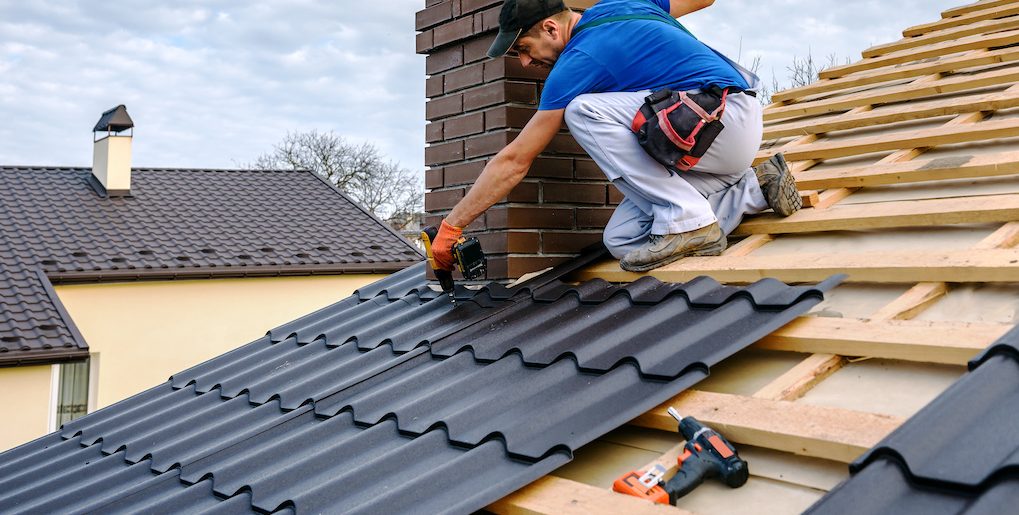
Your roof is one of the most critical investments you’ll make as a homeowner. It protects everything beneath it, affects your home’s energy bills, and can significantly impact its resale value. Yet when it’s time to replace or upgrade, most homeowners feel completely overwhelmed by the options.
Asphalt or metal? Clay tile or synthetic? What actually holds up in your climate, and what fits your budget? This roofing materials guide cuts through the noise to give you clear, honest answers.
By the end of this page, you’ll know the real costs, lifespans, and trade-offs of every major roofing material, plus a simple decision framework to help you choose the best roof for your home in 2026.
Overview: The 6 Main Types of Roofing Materials
Before you can make a smart choice, you need to know what’s on the table. Here are the six roofing options you’ll encounter most often as a homeowner:
- Asphalt shingles — the most common and affordable
- Metal roofing — long-lasting and energy-efficient
- Clay and concrete tile — classic look with serious durability
- Slate — the premium choice with a century-long lifespan
- Wood shake — natural beauty with moderate longevity
- Synthetic roofing — engineered to mimic premium materials at lower cost
Each material comes with its own trade-offs in cost, durability, weight, and climate performance. The right one for your neighbor might be completely wrong for your home. Let’s dig in.
Material-by-Material Breakdown
1. Asphalt Shingles
Asphalt shingles cover roughly 80% of American homes, and for good reason. They’re affordable, easy to install, and widely available from manufacturers like GAF, Owens Corning, CertainTeed, and IKO.
Cost: $5,000–$12,000 for an average home (1,700–2,100 sq ft)
Lifespan: 20–30 years (architectural/dimensional shingles at the higher end)
Best for: Budget-conscious homeowners in most U.S. climates
There are two main types: 3-tab shingles (thinner, shorter lifespan, cheaper) and architectural shingles (layered, more dimensional, better wind resistance). If you’re going asphalt, spend the extra $500–$1,000 for architectural — you’ll get a 10-year longer lifespan and better curb appeal.
One thing asphalt doesn’t handle well is extreme heat cycling. In climates like Arizona or Nevada, shingles can blister and crack faster than the manufacturer’s warranty suggests. Always check that your choice carries an ENERGY STAR rating if you’re in a hot climate.
2. Metal Roofing
Metal roofing has transformed from industrial-looking corrugated panels into sleek, attractive systems that suit everything from modern farmhouses to traditional colonials. Standing seam metal and steel shingles are the two most popular residential options.
Cost: $10,000–$25,000 for a typical installation
Lifespan: 40–70 years with minimal maintenance
Best for: Homeowners wanting long-term value, energy savings, and wind/hail resistance
Metal reflects solar heat rather than absorbing it, which can cut cooling costs by 10–25% according to the Cool Roof Rating Council (CRRC). Many metal roofs also qualify for Class 4 impact ratings under UL 2218 testing, which can lower your homeowners insurance premium by up to 30% in hail-prone states.
The downside? Higher upfront cost and potential noise during heavy rain (though proper underlayment and insulation largely solves this). If you’re staying in your home for 20+ years, metal often pencils out as the better financial decision.
3. Clay and Concrete Tile
Clay and concrete tiles deliver that timeless Mediterranean or Spanish Colonial look you see across Florida, California, and the Southwest. They’re heavy, beautiful, and built to last.
Cost: $15,000–$35,000 (structural reinforcement may add cost)
Lifespan: 50+ years for concrete; 100+ years for clay
Best for: Warm, dry climates; Spanish, Mediterranean, or Mission-style homes
The biggest catch with tile is weight. A clay or concrete tile roof can weigh 850–1,100 lbs per roofing square (100 sq ft). Your home’s framing must support that load, and in many cases, structural reinforcement is required — adding $1,000–$5,000 to the project.
In freeze-thaw climates, tile can crack over time. That’s why you rarely see it north of the Mason-Dixon line. But if you’re in a compatible climate and architectural style, tile is a stunning, durable investment that can outlast the home itself.
4. Slate Roofing
Slate is the undisputed king of roofing materials. It’s natural stone, quarried and shaped into tiles, and some slate roofs on New England homes are still performing after 150 years.
Cost: $20,000–$50,000+ depending on slate grade and region
Lifespan: 75–150 years
Best for: Historic homes, high-end construction, and buyers planning to stay long-term
Slate requires specialized installation — not every roofing contractor can handle it. You’ll want a contractor with documented slate experience and ideally membership in the National Roofing Contractors Association (NRCA). Installation labor often equals or exceeds material costs.
One practical note: when a slate tile cracks or breaks, individual replacements are usually easy and inexpensive if you can find matching material. Keep a bundle of spare tiles from your original installation.
5. Wood Shake and Wood Shingles
Western red cedar is the most common wood roofing material, valued for its natural beauty and moderate insulating properties. Wood shake roofs have a rustic, textured look that’s especially popular on Cape Cod cottages and craftsman-style homes.
Cost: $12,000–$20,000 for materials and installation
Lifespan: 25–40 years with proper maintenance
Best for: Moderate climates with low wildfire risk; traditional or craftsman aesthetics
Wood roofing requires more upkeep than other options — periodic cleaning, moss treatment, and resealing every few years. Some HOAs or local building codes restrict wood shake due to fire risk, so check your local requirements before committing. Many fire-prone Western states have banned it entirely.
6. Synthetic Roofing Materials
Synthetic roofing (polymer, rubber, or composite materials) has matured into a genuinely excellent option. Modern synthetic tiles convincingly mimic slate, wood, or tile at a fraction of the weight and cost. Products like DaVinci Roofscapes or CertainTeed’s Symphony collection are worth serious consideration.
Cost: $10,000–$22,000 depending on product line
Lifespan: 30–50 years
Best for: Homeowners who love the look of slate or shake but want lower cost and weight
Quality varies significantly across manufacturers. Ask for manufacturer specifications and confirm the product carries a meaningful wind uplift resistance rating before purchasing.
Roofing Materials Comparison Table
Here’s a side-by-side look at all six materials. Cost ranges reflect 2026 estimates for an average single-family home (1,700–2,100 sq ft). Prices vary by region — always get at least three quotes from local roofing contractors.
| Material | Cost (Avg Home) | Lifespan | Durability | Best Climate | Overall |
|---|---|---|---|---|---|
| Asphalt | $5,000–$12,000 | 20–30 yrs | Moderate | All climates | ★★★★☆ |
| Metal | $10,000–$25,000 | 40–70 yrs | Excellent | All climates | ★★★★★ |
| Clay/Concrete Tile | $15,000–$35,000 | 50+ yrs | Excellent | Warm/Dry | ★★★★☆ |
| Slate | $20,000–$50,000 | 75–150 yrs | Superior | Most climates | ★★★★★ |
| Wood Shake | $12,000–$20,000 | 25–40 yrs | Good | Moderate climates | ★★★☆☆ |
| Synthetic | $10,000–$22,000 | 30–50 yrs | Very Good | All climates | ★★★★☆ |
Note: Costs reflect full replacement including labor, underlayment, flashing, and drip edge installation. Material costs alone typically represent 40–60% of total project cost.
How to Choose the Right Roof: A Decision Framework
Choosing the best roof material comes down to three questions: What’s your budget? What’s your climate? What does your home look like?
| Budget | Climate | Home Style | Best Match |
|---|---|---|---|
| Under $10,000 | Hot & Sunny | Mediterranean | Asphalt or Metal |
| $10,000–$20,000 | High Wind/Hail | Craftsman/Colonial | Metal or Synthetic |
| $20,000–$35,000 | Wet/Humid | Spanish/Modern | Tile or Wood Shake |
| $35,000+ | Snowy/Cold | Traditional/Historic | Slate or Premium Metal |
Think of this as a starting point, not a hard rule. A homeowner in Seattle with a $15,000 budget might still choose metal over asphalt for the longer lifespan and lower lifetime cost — and that’s a smart call if they’re staying put.
Cost and Pricing Guidelines for 2026
Roofing costs have shifted considerably since 2023 due to supply chain stabilization and labor market changes. Here’s what to expect in 2026:
- Most homeowners spend $8,000–$18,000 for a full roof replacement on a 1,500–2,200 sq ft home
- Labor typically accounts for 40–60% of total project cost
- Geographic location can move the needle 20–30% in either direction (Northeast and West Coast tend to be higher)
- Roof complexity — pitch, valleys, skylights, and chimneys — adds 10–25% to base pricing
- Removing multiple layers of old roofing adds $1,000–$3,000 in tear-off costs
Pro tip: Always request itemized quotes so you can compare labor rates, material grades, and warranty terms side by side. A cheaper quote that uses a lower-grade underlayment or skips proper flashing isn’t a deal — it’s a future problem.
The Asphalt Roofing Manufacturers Association (ARMA) recommends replacing your roof before visible failures occur, typically when 25–30% of shingles show damage. Waiting until you have active roof leaks leads to water damage repair costs that can easily double your project budget.
Climate and Regional Considerations
Climate is probably the single most important factor homeowners overlook when choosing roofing materials. Here’s how to think about it by region:
Hot & Sunny Climates (Southwest, Florida)
Prioritize solar reflectance (R-value) and heat resistance. Metal roofing, clay tile, and ENERGY STAR-rated asphalt shingles all perform well. Avoid dark-colored materials without cool-roof coatings.
High Wind and Hail Zones (Great Plains, Gulf Coast)
Seek Class 4 impact-rated materials (tested per UL 2218). Metal roofing and Class 4 asphalt shingles are your best defenses. Your insurance company may offer meaningful discounts for upgraded impact resistance.
Cold and Snowy Climates (Midwest, Northeast)
Look for materials rated for heavy snow loads and freeze-thaw resistance. Metal roofing excels here — snow slides off cleanly rather than accumulating. Slate also performs beautifully in cold climates. Avoid clay tile in regions with hard freezes.
Wet and Humid Climates (Pacific Northwest, Southeast)
Moss and algae resistance matters. Metal, synthetic, and treated asphalt shingles (many now include copper granules to inhibit algae growth) handle moisture well. Wood shake requires extra maintenance and treatment in wet climates.
FAQ: Roofing Materials Questions Answered
What is the longest-lasting roofing material?
Slate is the longest-lasting roofing material available, with a lifespan of 75–150 years. Clay tile and high-grade metal roofing come in second, both capable of lasting 50–70+ years with proper maintenance. For most homeowners, the real question is cost-per-year, not absolute longevity.
What is the most cost-effective roofing material?
Asphalt shingles offer the lowest upfront cost, typically $5,000–$12,000 for an average home. However, if you calculate cost per year of service, metal roofing and synthetic materials often deliver better value over a 30–50 year window, especially when you factor in reduced maintenance and potential insurance savings.
How do I know when it’s time to replace my roof?
Common signs include missing or curling shingles, granule loss in gutters, daylight visible through the attic, sagging sections, or persistent roof leaks despite repairs. If your asphalt roof is approaching 20 years old, get a professional roof inspection annually. Early action prevents expensive water damage to the home’s structure.
Can I install a new roof over an existing one?
In most cases, yes — but it’s not always advisable. The International Building Code (IBC) generally allows two layers of asphalt shingles. Adding a second layer saves on tear-off costs ($1,000–$3,000) but adds weight and can hide underlying deck problems. A full tear-off is always the better long-term choice for new metal, tile, or slate installations.
What roofing material is best for energy efficiency?
Metal roofing leads for energy efficiency due to its solar reflectance properties — it can reduce cooling costs by 10–25%. ENERGY STAR-certified asphalt shingles are a solid second option for budget-conscious buyers. If energy savings are a priority, also consider pairing your roof with proper attic ventilation and upgraded R-value insulation.
Does a new roof increase home value?
Yes. A new roof typically recoups 60–70% of its cost in added resale value, according to Remodeling Magazine’s Cost vs. Value report. Beyond the dollar figure, a new roof removes a major objection for buyers and can speed up your home’s time on market. Premium materials like metal or slate can yield higher returns in upscale markets.
Do I need a building permit for a roof replacement?
In most jurisdictions, yes — a building permit is required for full roof replacements, though minor repairs often don’t trigger this requirement. Your roofing contractor should pull the permit on your behalf. If they suggest skipping it, that’s a red flag. Work done without proper permits can create issues with your homeowners insurance and during a future home sale.
Key Takeaways & Next Steps
Choosing the right roof doesn’t have to be complicated. Here’s what to carry with you from this guide:
- Asphalt shingles are the best value for most homeowners with standard budgets and average climates
- Metal roofing delivers the best long-term ROI for homeowners planning to stay 15+ years
- Climate matters more than aesthetics — choose a material rated for your region’s harshest conditions
- Slate and clay tile are worth the premium if your home’s structure and your budget can support them
- Always get three or more itemized quotes from licensed, NRCA-affiliated contractors before committing
Ready to move forward? Start by scheduling a professional roof inspection to assess your current roof’s condition. Then request quotes from at least three roofing contractors in your area, specifying the materials you’re considering based on this guide.
At Roofing SEO Masters , we are dedicated to helping quality roofing professionals connect with homeowners like you. For contractors, we offer specialized digital marketing solutions, including Local SEO to dominate local search results, Content Marketing to educate and attract customers, and Web Design services to build a professional online presence. See how we’ve helped other businesses grow by browsing our case studies. You can also explore our Enterprise Package or learn more about our agency and the service areas we cover. If you have any questions, feel free to contact us .
Disclaimer: All pricing reflects 2026 estimates and will vary based on your location, home size, roof complexity, and local labor rates. Always verify material specifications and local building code requirements with your contractor.


Leave a Reply