
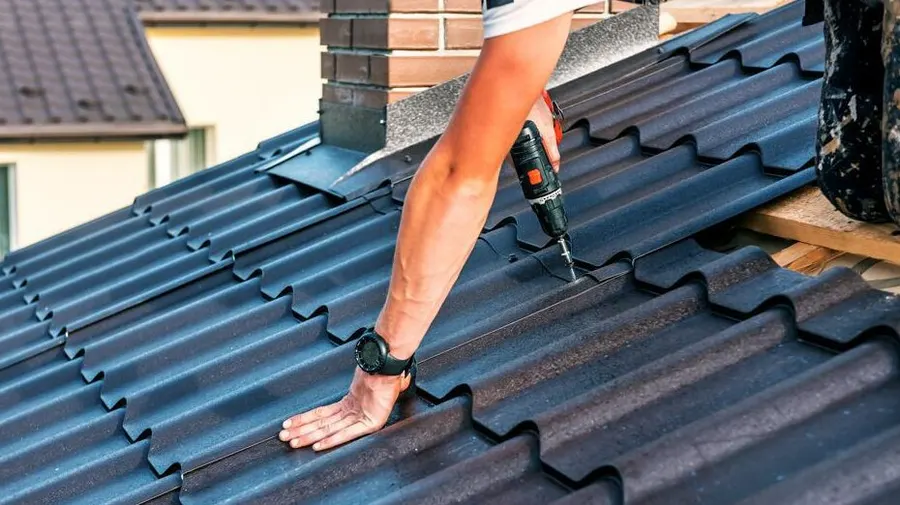
A roof replacement is one of the biggest home improvement projects you’ll ever face. Most homeowners go into it blind — unsure what a fair price looks like, what the process involves, or how to tell a good contractor from a bad one. This roof replacement guide changes that.
Whether your roof is leaking, aging out, or you’re just planning ahead, you’ll find 2026 cost benchmarks, a clear step-by-step process, realistic timelines, and the red flags that separate trustworthy roofers from the ones who’ll take your money and leave problems behind.
When Should You Replace Your Roof?
Knowing when to replace rather than repair is one of the most practical decisions a homeowner makes. Repair makes sense for isolated damage — a few cracked shingles, a flashing issue, a minor leak. Replacement is the right call when:
- Your asphalt roof is 20+ years old and showing widespread granule loss
- More than 25–30% of shingles are cracked, curling, or missing
- You’re seeing daylight through the attic deck boards
- You’ve had multiple repairs in the past 3–5 years and leaks keep returning
- Your roof deck (sheathing) shows widespread rot or sagging
- Storm damage has compromised the structural integrity across large sections
Rule of thumb: If a repair costs more than 30% of what a new roof would cost, replace it. You’ll stop paying repair bills and gain the protection of a full manufacturer warranty.
The Asphalt Roofing Manufacturers Association (ARMA) recommends annual roof inspections starting at year 15 for asphalt shingles. Catching issues early protects your home’s structure and keeps your homeowners insurance valid.
How Much Does a New Roof Cost in 2026?
Roof replacement costs vary widely based on your home’s size, the material you choose, and where you live. Here’s what you can realistically expect in 2026:
- Small home (under 1,500 sq ft): $5,800–$11,000 for asphalt shingles
- Average home (1,700–2,200 sq ft): $8,000–$18,000 for most materials
- Larger home (2,500–3,500 sq ft): $14,000–$30,000+ depending on complexity
- Premium materials (slate, metal, tile): $22,000–$50,000+ for most homes
What Drives the Cost Up or Down?
Labor typically accounts for 40–60% of your total project cost. That means the contractor you choose matters as much as the material. Beyond labor and materials, these factors move the needle:
- Roof pitch and complexity: steep or multi-gabled roofs cost 15–30% more to install
- Tear-off layers: removing two existing layers adds $1,000–$3,500 in labor
- Deck repairs: rotted sheathing replacement runs $75–$100 per sheet
- Flashing work: chimney, skylights, and valleys each add $200–$800
- Geographic location: Northeast and West Coast markets run 15–25% higher than the national average
- Material grade: standard vs. impact-resistant vs. Class 4-rated products can differ by $1,500–$4,000 on the same home
Always request itemized quotes so you can compare exactly what’s included. A lower bid that skips proper underlayment or cuts corners on flashing will cost you far more in roof repairs down the road.
Cost by Roofing Material — 2026 Comparison
These ranges reflect full installation for an average single-family home (1,700–2,200 sq ft), including tear-off, underlayment, flashing, and labor. Prices reflect 2026 market estimates. Regional variation applies — always get three or more quotes from local roofing contractors.
| Material | 2026 Cost Range | Lifespan | Maint. | Climate |
|---|---|---|---|---|
| Asphalt Shingles | $5,800–$12,000 | 20–30 yrs | Low–Med | All |
| Architectural Asphalt | $7,500–$14,000 | 25–30 yrs | Medium | All |
| Metal (Steel/Alum.) | $10,000–$25,000 | 40–70 yrs | High | All |
| Clay / Concrete Tile | $15,000–$35,000 | 50–100 yrs | High | Warm/Dry |
| Slate | $22,000–$50,000+ | 75–150 yrs | Very High | Most |
| Synthetic (Composite) | $10,000–$22,000 | 30–50 yrs | Medium | All |
Note: Material costs alone represent approximately 40–60% of these totals. Roofing is measured in squares — one roofing square equals 100 square feet of roof surface.
The Roof Replacement Process: Step by Step
Most homeowners are surprised by how fast a professional crew works. A standard residential roof replacement takes 1–3 days for an average home. Here’s what happens from the first phone call to final cleanup.
Step 1: Inspection and Estimate
A reputable roofing contractor starts with a physical roof inspection, not just a drive-by estimate. They’ll check the decking, flashing, ventilation, and gutters. Expect a detailed written estimate within 24–48 hours. Request itemized line items so you can compare quotes apples to apples.
Step 2: Material Selection and Contract Signing
Choose your material, color, and shingle grade based on your budget, climate, and home’s architectural style. Manufacturers like GAF, Owens Corning, CertainTeed, and IKO each offer tiered product lines from builder-grade to premium. Your contractor should explain the warranty difference between levels.
Before signing, confirm the contract includes: project scope, materials with manufacturer names and model numbers, start and completion dates, payment schedule, permit responsibility, and cleanup plan.
Step 3: Permits and Scheduling
Your contractor should pull the building permit — not you. Permits are required for full roof replacements in most U.S. jurisdictions under the International Building Code (IBC). Work done without a permit creates problems with insurance claims and can complicate future home sales. If a contractor suggests skipping permits, walk away.
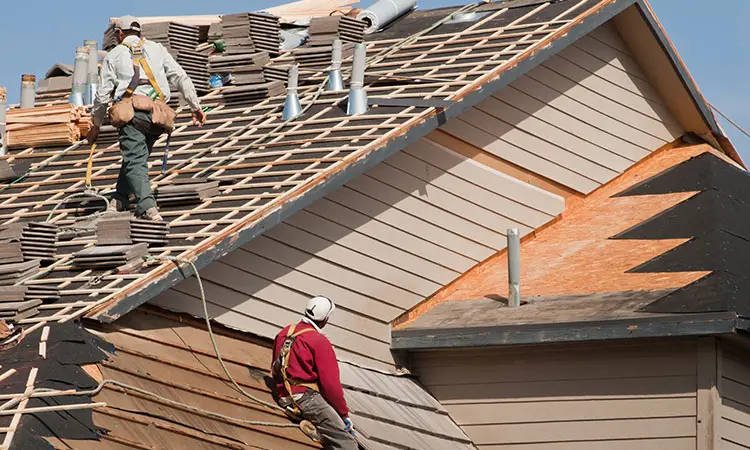
Step 4: Tear-Off and Deck Inspection
On installation day, the crew removes all existing roofing down to the decking. This is when hidden problems show up. Expect the contractor to document and discuss any deck damage before proceeding. Reputable contractors won’t hide deck issues — they’ll show you photos and get written approval before adding repair charges.
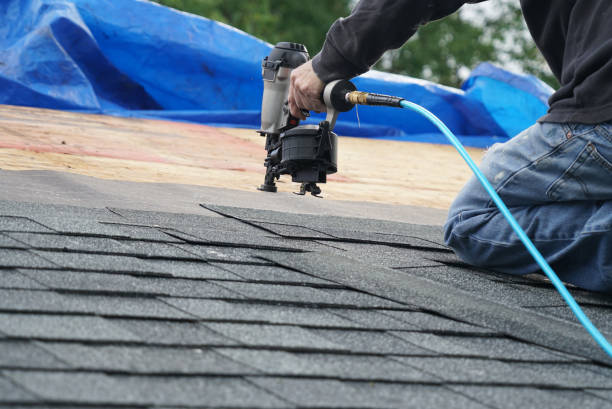
Step 5: New Roofing Installation
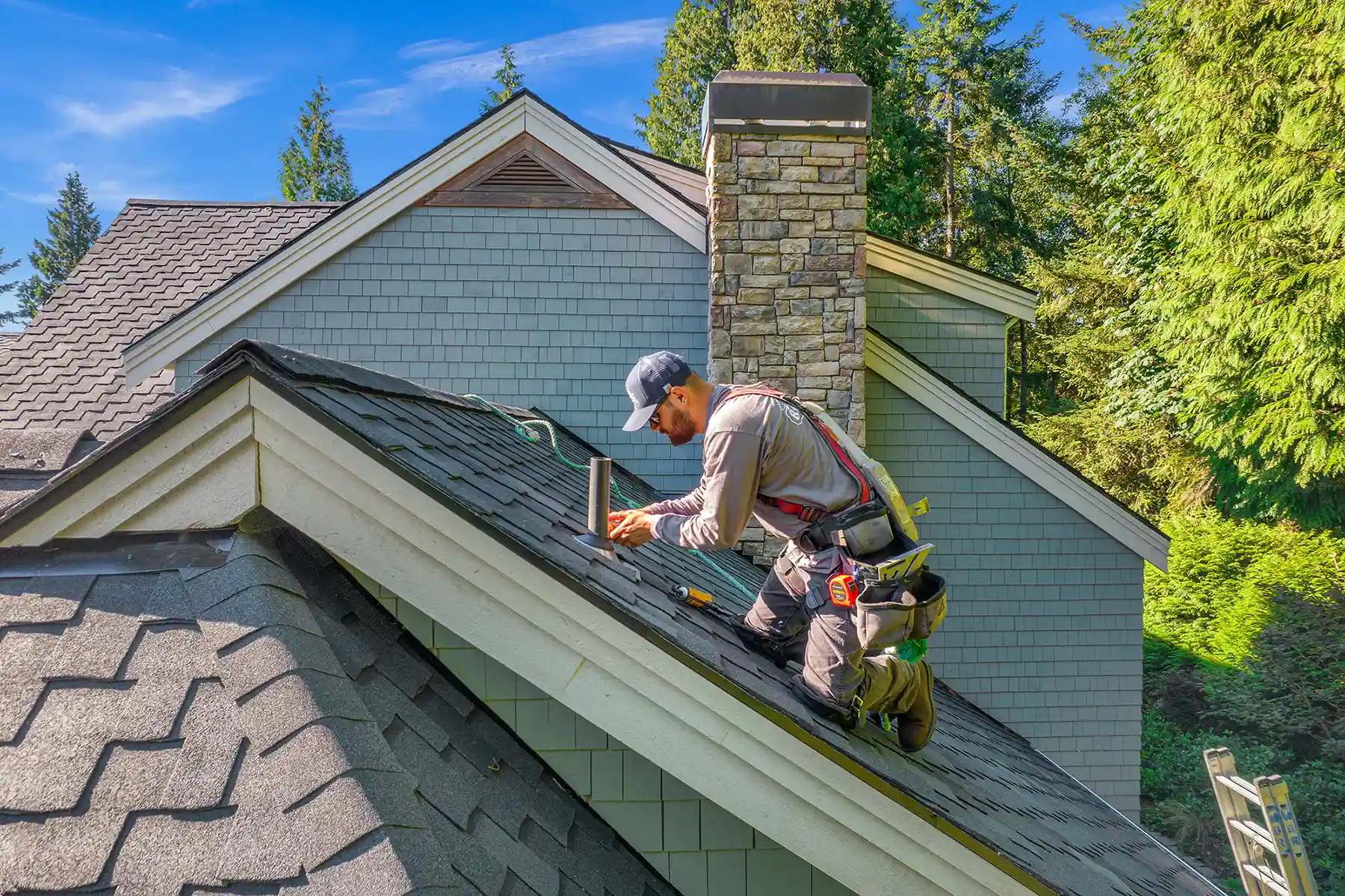
Installation begins at the eaves and works upward. A proper installation includes: drip edge along eaves and rakes, ice and water shield at all vulnerable areas, synthetic underlayment across the full deck, then the roofing material itself. Flashing around chimneys, pipe boots, skylights, and valleys is installed as the work progresses — not as an afterthought.
Critical detail: Improper flashing is the single most common cause of roof leaks after installation. Ask your contractor specifically how they handle chimney saddles and valley flashing.
Step 6: Ridge Cap, Ventilation, and Final Details
The ridge cap seals the roof peak and, together with a properly installed ridge vent, supports attic ventilation that extends your roof’s lifespan. Poor attic ventilation traps heat and moisture, which can shorten an asphalt roof’s lifespan by 5–10 years. Check that your R-value insulation isn’t blocking soffit vents.
Step 7: Cleanup and Final Walkthrough
A professional crew does a thorough magnetic nail sweep of the yard and driveway, removes the debris dumpster, and walks the property with you before final payment. You should receive all manufacturer warranty documentation, permit closure paperwork, and an itemized receipt.
Day-by-Day Roof Replacement Timeline
Here’s what a typical 2–3 day residential replacement looks like from the homeowner’s perspective.
| Timing | Phase | What Happens | Homeowner Note |
|---|---|---|---|
| Day 1 | Crew Arrives | Setup, safety barriers, dumpster placement | Keep vehicles out of driveway |
| Day 1 | Tear-Off | Remove old shingles, underlayment, inspect decking | Expect noise; secure loose items |
| Day 1–2 | Deck Repairs | Replace any rotted or damaged sheathing | May add $200–$1,500 to cost |
| Day 2 | Underlayment & Ice Dam | Install synthetic underlayment + ice & water shield at eaves | Critical in cold climates |
| Day 2 | New Roofing Material | Install shingles/panels from eave to ridge | Largest single phase |
| Day 2–3 | Flashing & Ridge Cap | Seal valleys, chimney, pipe boots, install ridge cap & ridge vent | Don’t skip flashing — #1 leak source |
| Day 3 | Cleanup & Inspection | Magnetic nail sweep, dumpster removal, final walkthrough | Ask for NRCA-aligned inspection report |
How to Prepare for Your Roof Replacement
A little preparation on your end makes the whole project go smoother. Here’s what to do in the days before your crew arrives:
- Clear your driveway and any vehicles from the area around your home
- Move outdoor furniture, potted plants, and lawn decorations away from the house
- Warn neighbors — it will be loud for 1–2 days
- Take down any wall hangings inside the home (vibration can knock them loose)
- Cover items in the attic with drop cloths to protect from dust and debris
- Make sure the crew has access to a water source and outdoor outlet if needed
- Secure or crate pets inside away from the noise and activity
Red Flags to Watch For
Storm-chasing contractors and low-bid outfits cost homeowners billions in bad work every year. Know what to watch for before you sign anything.
RED FLAGS: Walk Away If You Hear These
- “We can start tomorrow without a contract”
- “We don’t need to pull a building permit”
- “Pay us 50% upfront before we start”
- “We’ll waive your deductible” (insurance fraud)
- “We’re in the area from storm work — special deal today only”
Legitimate contractors are licensed, insured, pull permits, and never pressure you into same-day decisions.
Also be wary of contractors who can’t provide proof of general liability insurance and workers’ compensation coverage. If a crew member gets injured on your property and the contractor lacks proper insurance, you could be liable.
How to Choose the Right Roofing Contractor
The right contractor is licensed, insured, and willing to put everything in writing. Here’s a practical checklist:
- Verify their contractor’s license with your state licensing board
- Confirm they carry both general liability and workers’ comp insurance — ask for certificates
- Check Google, BBB, and the NRCA’s Contractor Locator for reviews and membership
- Get at least three written, itemized quotes before deciding
- Ask whether they’re a GAF Master Elite, Owens Corning Platinum, or CertainTeed SELECT ShingleMaster contractor — these designations indicate manufacturer-backed training
- Confirm who physically does the work: the contractor’s own crew or subcontractors
- Review the warranty carefully: understand the difference between the manufacturer warranty (covers materials) and the workmanship warranty (covers installation errors)
FAQ: Roof Replacement Questions Answered
How long does a roof replacement take?
Most residential roof replacements take 1–3 days for an average home (1,500–2,500 sq ft). Larger homes, steep pitches, or premium materials like slate can extend the timeline to 4–5 days. Weather delays are common — your contractor should communicate a rain-delay policy upfront.
Can I stay in my home during roof replacement?
Yes, you can stay home during installation. It will be loud, and there may be some vibration, but it’s safe. If you work from home or have young children who nap during the day, consider making other arrangements for the 1–2 days when the crew is most active.
What should I do if my insurance company is paying for the roof?
Start by getting your own independent assessment from a licensed roofing contractor before accepting the insurer’s estimate. Your contractor can work directly with the insurance adjuster, provide documentation of all damage, and help you understand your policy’s replacement cost value (RCV) vs. actual cash value (ACV) coverage. Never let a contractor ‘handle everything’ without staying involved yourself.
Does a new roof increase home value?
Yes. A new roof typically adds value in the $10,000–$17,000 range at resale and often returns 60–70% of its cost, according to industry cost vs. value data. Beyond the dollar figure, a new roof removes a major concern for buyers and can speed up the closing process. Premium materials like metal or slate can return more in upscale markets.
What is the best time of year to replace a roof?
Late spring through early fall (April–October) is the ideal window in most U.S. climates. Mild temperatures help materials seal properly and give crews better working conditions. That said, professional contractors install roofs year-round. Winter installations are common in milder climates, though very cold temperatures can affect shingle sealing and adhesive strips.
How do I know if I need a full replacement or just a repair?
Get a professional roof inspection. As a general rule: if damage covers more than 25–30% of the roof’s surface, multiple layers of existing roofing are nearing the end of their lifespan, or you’ve repaired the same area more than once, replacement makes more financial sense. A repair that costs more than 30% of new roof pricing is rarely worth doing.
What warranties come with a new roof?
You’ll typically receive two warranties: a manufacturer’s material warranty (covering defects in the shingles or panels, usually 25–50 years depending on the product line) and a contractor’s workmanship warranty (covering installation errors, typically 1–10 years). GAF’s Golden Pledge warranty and Owens Corning’s Platinum Protection warranty offer some of the strongest coverage available, but only when installed by certified contractors.
Key Takeaways & Next Steps
Replacing your roof is a big investment, but with the right information it doesn’t have to be stressful. Here’s what to carry with you:
- Most homeowners spend $8,000–$18,000 for a full replacement on an average-sized home in 2026
- The replacement process takes 1–3 days; proper preparation on your part helps it go smoothly
- Flashing, underlayment, and attic ventilation are where quality really shows — insist on them
- Three competitive quotes from licensed, insured contractors is the single best step you can take before signing anything
- Watch for the red flags: no permits, high upfront deposits, and pressure tactics are dealbreakers
Your next step: schedule a professional roof inspection to get a clear picture of your current roof’s condition. From there, you’ll have the confidence to make a smart decision — whether that’s a targeted repair or a full roof replacement.
At Roofing SEO Masters , we are passionate about helping reputable roofing professionals connect with homeowners who need their services. For contractors, we offer a full suite of digital marketing solutions, including Social Media Marketing to build brand awareness, Reputation Management to build trust, and comprehensive Google Ads campaigns to generate qualified leads. Explore our services page to see everything we offer, or read our case studies to see how we’ve helped other businesses grow. Learn more about our agency and the service areas we cover, and don’t hesitate to contact us with any questions.
Disclaimer: All pricing reflects 2026 estimates and will vary based on location, home size, roof complexity, and local labor rates. Always verify contractor licensing and insurance in your state, and consult local building codes before beginning any roofing project.


Leave a Reply